Discipline guide
Automation hiring in advanced manufacturing
Automation roles are becoming broader, blending robotics, controls, data, reliability and production thinking.
Automation hiring has changed because automation roles have changed. Many employers now need engineers who can think across robotics, controls, production, reliability and data.
The role is no longer only integration
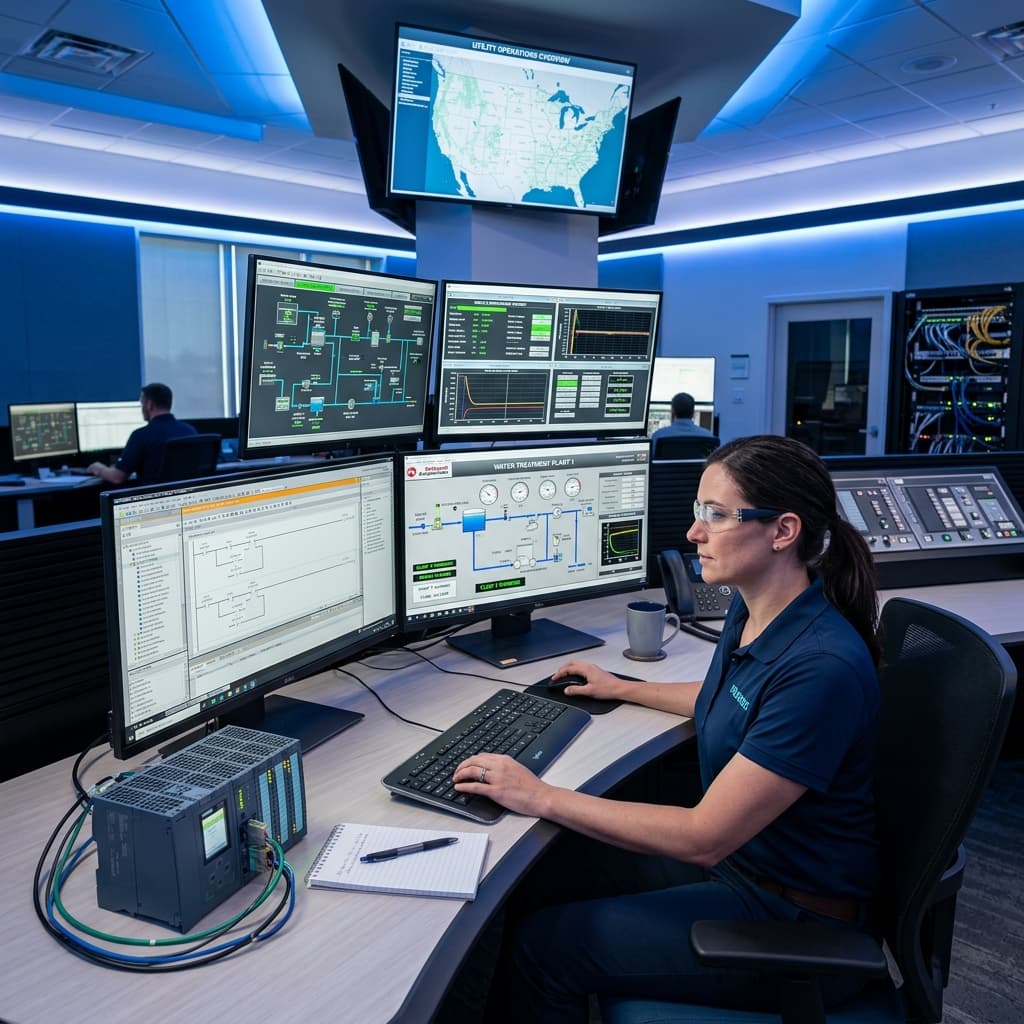
Classic integration skills still matter: PLCs, robotics, vision systems, safety systems, panels and commissioning. But advanced manufacturing teams increasingly want engineers who understand throughput, downtime, quality and maintainability.
The automation hire is often expected to improve a production system, not just install it.
Production empathy is a differentiator
The best automation engineers understand operators and maintenance teams. They design systems that can be diagnosed, cleaned, reset and improved without creating unnecessary complexity.
Interview questions should explore how candidates have reduced downtime or improved line performance.
Robotics experience is valuable but specific
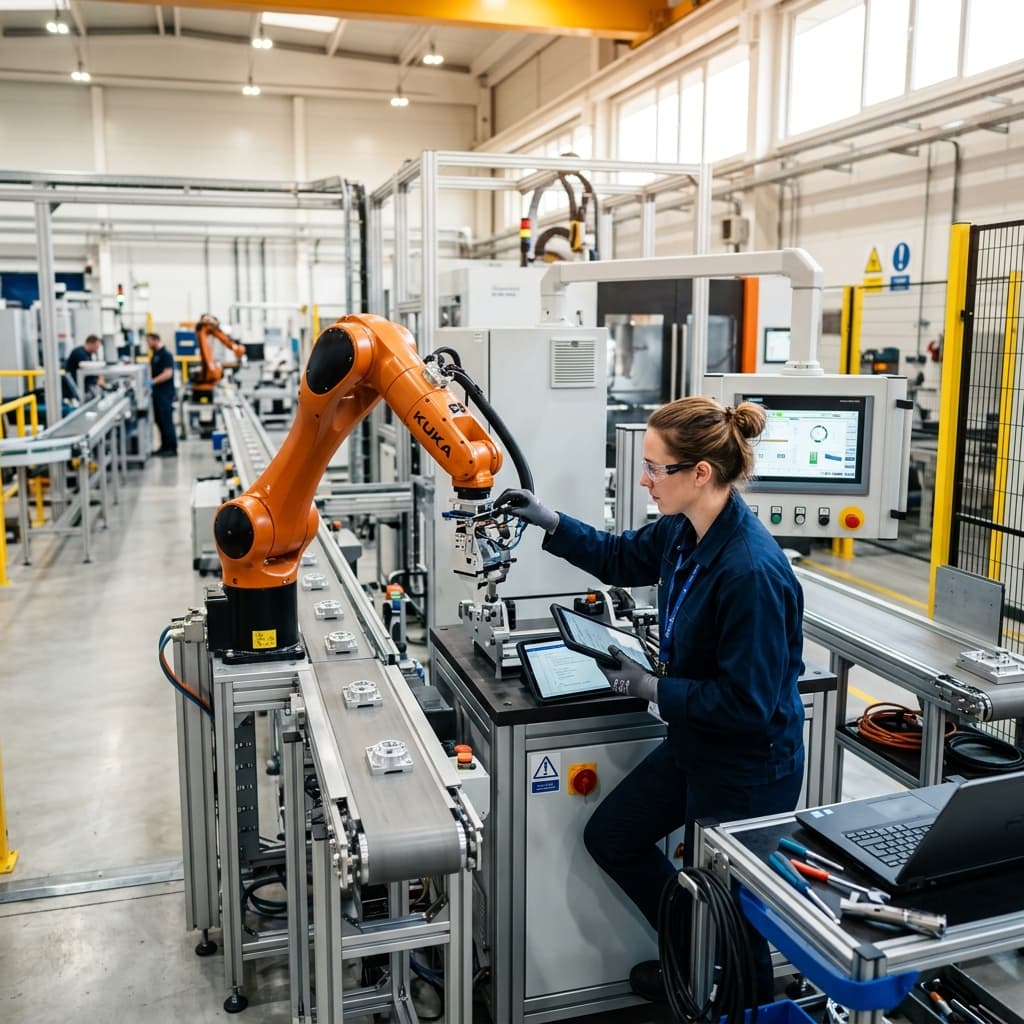
KUKA, ABB, FANUC and Universal Robots experience can all be relevant, but the application matters. Welding, packaging, palletising, inspection and assembly create different challenges.
The brief should explain the process, not just the robot brand.
Hiring needs a balanced scorecard
Technical depth matters, but so does site behaviour. Automation projects cut across production, engineering, operations and safety. Candidates who can communicate across those groups are often the ones who make the system stick.