
Market insight
Hiring for AMP8: what has changed, and what has not
AMP8 has changed the scale and urgency of water-sector hiring. The fundamentals of a good MEICA search still matter more than noise.
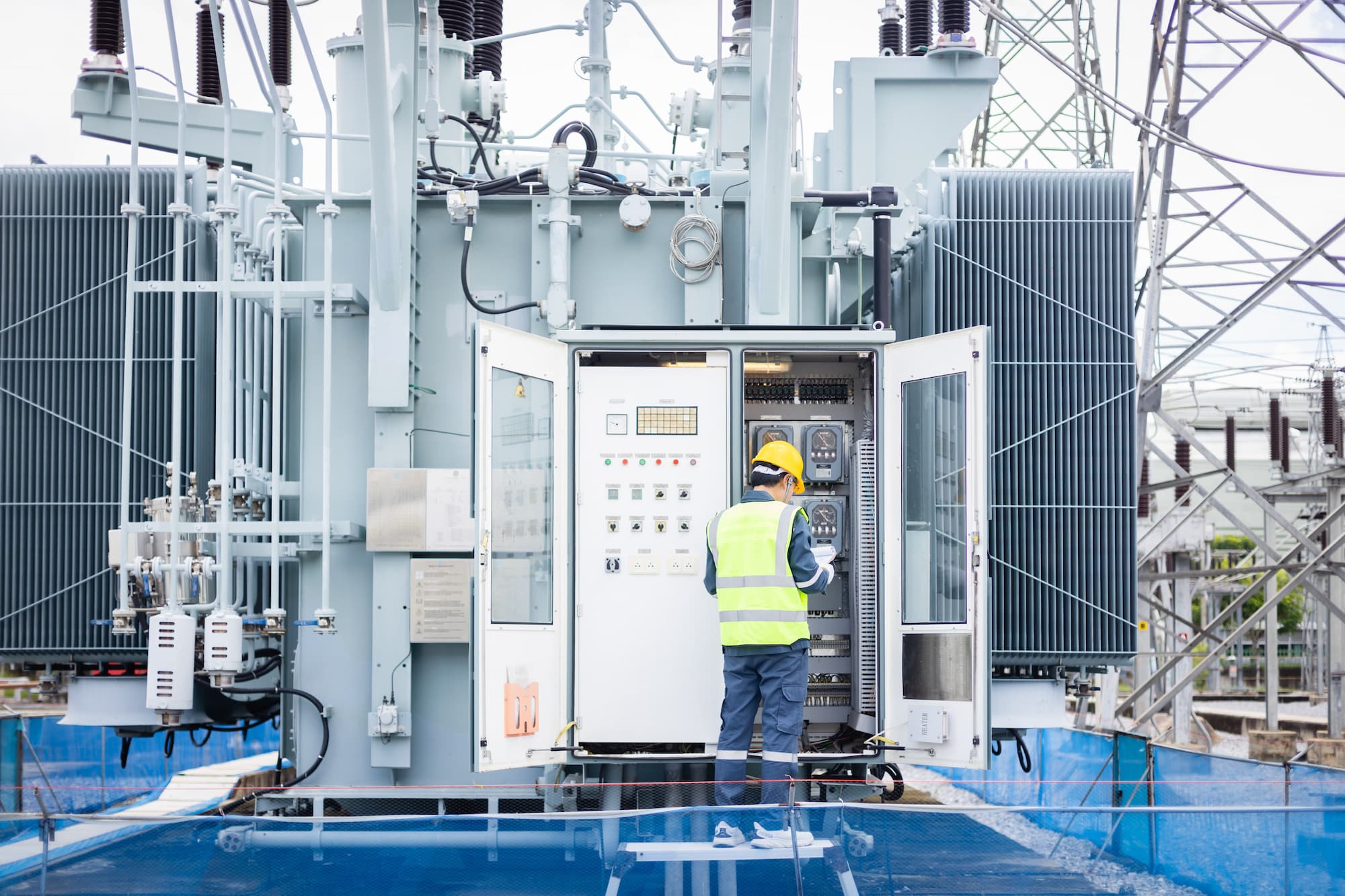
AMP8 has pushed UK water hiring into a different gear. Frameworks are mobilising, delivery partners are scaling teams and the same pool of experienced MEICA engineers is being asked to support more work, in more locations, at higher pace.
Demand is broader, not just bigger
The obvious pressure is volume: more mechanical, electrical, ICA and commissioning roles across water and wastewater programmes. The quieter change is breadth. Clients are now asking for engineers who can work across digital, carbon, process safety, constructability and commissioning readiness.
That does not mean every hire needs to be a unicorn. It means the brief has to separate true essentials from useful adjacent experience. A controls engineer with water-sector SCADA delivery may be more valuable than someone who has every preferred platform listed on a job description but no framework context.
Standards still carry weight
AMP8 has not removed the fundamentals. WIMES familiarity, CDM awareness, functional safety understanding, LV and MCC experience, commissioning discipline and the ability to work inside regulated site environments still move candidates up the shortlist.
The strongest briefs explain which standards are genuinely needed on day one and which can be learned with the right support. That distinction opens the market without diluting quality.
Shortlists need market feedback
In tight markets, a shortlist is not just a list of names. It is evidence. It should tell you what the market is saying about rate, location, hybrid patterns, competing projects and the reputation of the opportunity.
If every good candidate says the travel pattern is hard, the search is doing its job by surfacing a commercial constraint. Ignoring that signal just makes the next round slower.
Counter-offers are part of the process
The best AMP8 candidates are often in secure roles. A move has to make sense technically, financially and practically. Counter-offer risk should be discussed before final interview, not after an offer has been accepted verbally.
Employers who move quickly, explain the project clearly and stay close through offer stage are winning. Employers who treat process speed as an admin detail are losing people they should have hired.
What has not changed
Good hiring still starts with a clear brief. The role needs a real salary or rate range, a realistic location pattern, a defined interview process and an honest explanation of why the work matters.
For a practical way to structure that brief, read Five questions to answer before you brief a recruiter.